
Protected
Safety & Risk Management
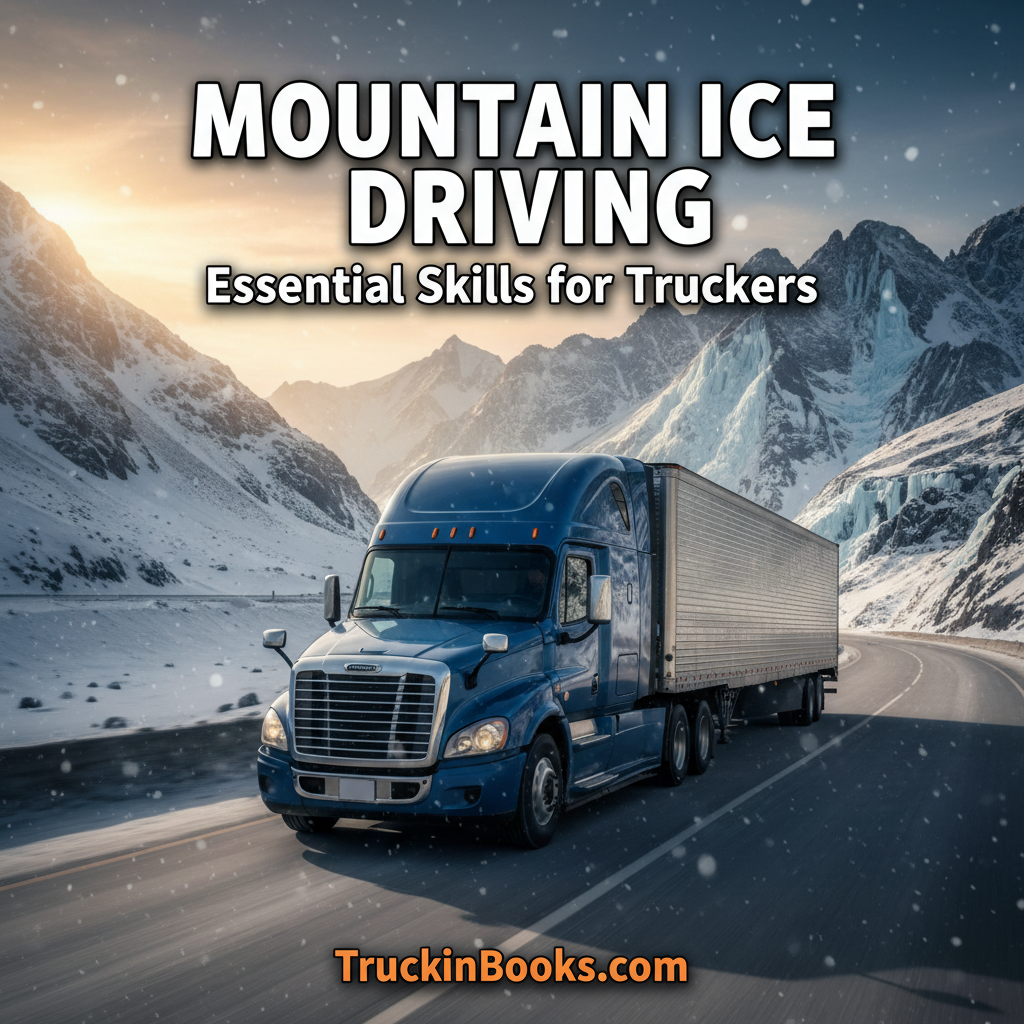
Mountain Ice Driving: Essential Skills for Truckers
Audio
DRM
By TruckinBooks
125 pages
0 min
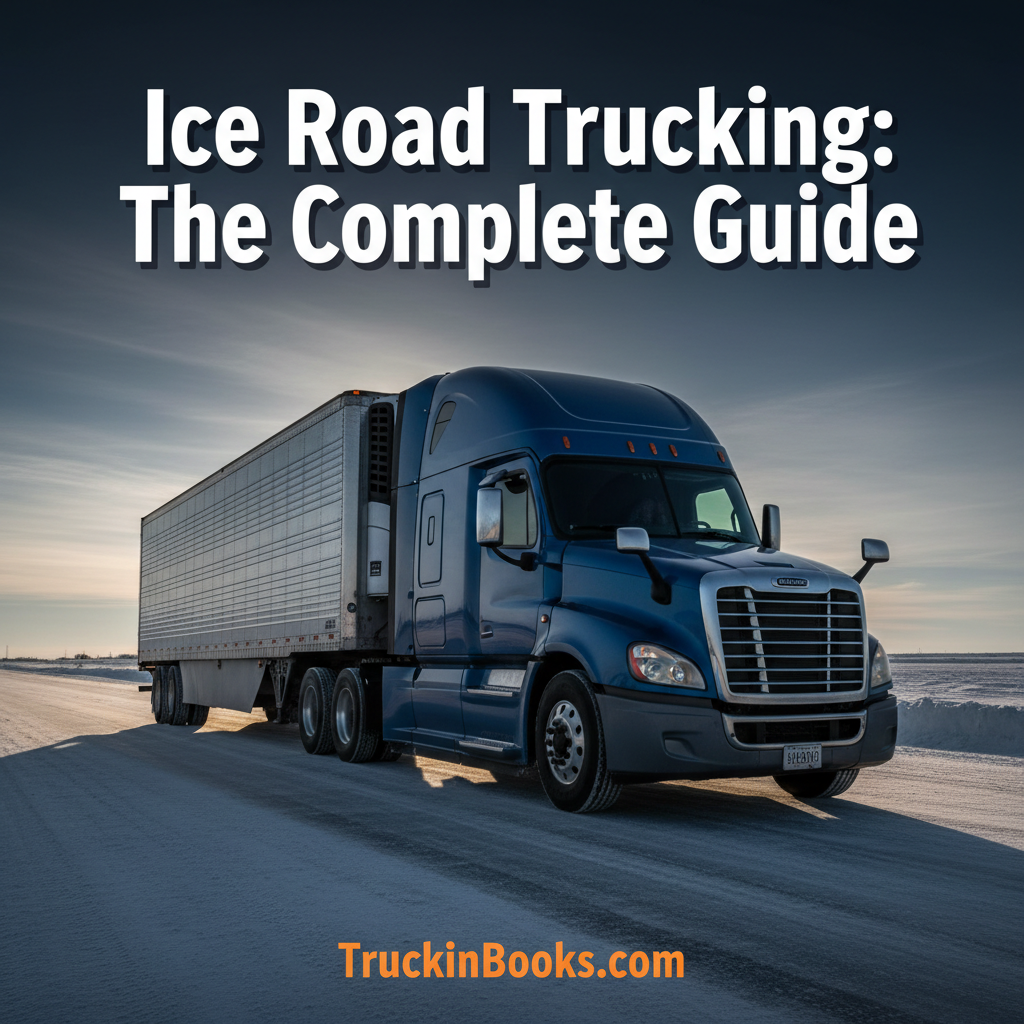
Master the art of navigating icy mountain roads with this comprehensive guide covering descent techniques, curve navigation, emergency procedures, and essential safety protocols for winter mountain trucking.
About This Ebook
Mountain Ice Driving: Essential Skills for Truckers
Chapter 1: Introduction to Mountain Ice Driving
Mountain driving presents unique challenges that combine steep grades, sharp curves, and unpredictable weather conditions. When ice is added to the equation, these challenges multiply significantly. This comprehensive guide provides truck drivers with the essential knowledge and techniques needed to safely navigate icy mountain roads.
Mountain ice driving requires a different mindset than flatland winter driving. The combination of elevation changes, reduced oxygen levels affecting engine performance, and rapidly changing weather conditions demands constant vigilance and preparation. Understanding these factors is the first step toward safe mountain navigation.
The consequences of mistakes in mountain ice driving can be severe. Runaway trucks, jackknifing incidents, and loss of control on icy curves are all too common when drivers are unprepared. By mastering the techniques in this guide, you can significantly reduce your risk and confidently handle mountain routes in winter conditions.
Chapter 2: Pre-Trip Preparation for Mountain Routes
Before attempting any mountain route in winter conditions, thorough preparation is essential. Start by checking weather forecasts for your entire route, paying special attention to elevation changes where conditions may vary dramatically.
Inspect your vehicle's braking system carefully. Mountain driving places extreme demands on brakes, and ice reduces their effectiveness. Ensure brake pads have adequate thickness and brake fluid is at proper levels. Check that your air brake system is functioning correctly and that all moisture has been drained from air tanks.
Verify your tire condition and pressure. Tires should have adequate tread depth, and chains should be available and in good condition. Know the chain requirements for your route and practice installing chains before you need them in an emergency situation.
Pack emergency supplies including extra food, water, warm clothing, blankets, a flashlight, flares, and a first aid kit. In mountain terrain, help may be hours away if you become stranded.
Chapter 3: Understanding Mountain Weather Patterns
Mountain weather can change rapidly and dramatically. A clear day at lower elevations may mean blizzard conditions at higher passes. Understanding these patterns helps you anticipate and prepare for changing conditions.
Temperature inversions are common in mountain areas. While valleys may be cold, higher elevations can sometimes be warmer, or vice versa. This affects ice formation patterns and can create unexpected slippery conditions.
Wind patterns in mountain terrain can be severe and unpredictable. Mountain passes often experience high winds that can affect vehicle stability and create drifting snow that obscures road conditions. Be prepared for sudden gusts, especially when emerging from protected areas.
Fog and low clouds frequently form in mountain areas, severely reducing visibility. Combined with ice, these conditions require extreme caution and may necessitate stopping until conditions improve.
Chapter 4: Descent Techniques on Icy Mountain Roads
Descending mountain grades on ice is one of the most dangerous situations a truck driver can face. The key principle is to enter the descent at a speed slow enough that you can maintain control throughout without relying heavily on brakes.
Use engine braking as your primary speed control method. Downshift before beginning the descent and maintain a gear low enough to keep your speed in check. On ice, engine braking is more reliable than wheel brakes, which can lock up and cause loss of control.
Apply service brakes in a technique called snubbing: brief, firm applications followed by release periods that allow brakes to cool. Continuous brake application generates heat that can lead to brake fade, and on ice, locked wheels provide no steering control.
Watch for brake check areas and use them. These pullouts allow you to stop safely and check your brake temperature. If brakes feel spongy or less effective, stop and allow them to cool completely before continuing.
Chapter 5: Ascending Icy Mountain Grades
Climbing icy mountain grades presents different challenges than descending. Maintaining momentum while avoiding wheel spin requires careful throttle control and proper gear selection.
Start your climb in a gear that provides adequate power without causing wheel spin. If wheels begin to spin, ease off the throttle slightly rather than accelerating harder. Spinning wheels generate heat that can melt ice, creating an even more slippery surface.
Maintain steady speed rather than attempting to accelerate on steep grades. Sudden throttle changes can break traction and cause wheel spin or loss of control. If you begin to lose traction, try to maintain whatever forward progress you can while looking for areas with better grip.
Know when to chain up. Many mountain passes require chains during winter conditions, and attempting to climb without them when required is both illegal and dangerous. Install chains before you need them, not after you're stuck.
Chapter 6: Navigating Icy Mountain Curves
Curves on mountain roads require special attention when ice is present. The combination of centrifugal force and reduced traction can easily cause loss of control.
Reduce speed well before entering any curve. On ice, this means slowing much more than you would in dry conditions. The goal is to maintain a speed that allows you to complete the turn without braking or accelerating through it.
Look through the curve to your exit point and steer smoothly toward it. Avoid sudden steering inputs that can break traction. If you feel the truck beginning to slide, ease off the accelerator and steer in the direction you want to go.
Be especially cautious on curves that are shaded or north-facing, as these areas retain ice longer than sun-exposed sections. Bridge decks and overpasses also freeze before regular road surfaces.
Chapter 7: Emergency Procedures for Mountain Ice Driving
Despite best preparations, emergencies can occur. Knowing how to respond can mean the difference between a minor incident and a catastrophe.
If you begin to skid, remain calm and avoid panic braking. For a rear-wheel skid, steer in the direction you want the front of the truck to go. For a front-wheel skid, ease off the accelerator and allow the front wheels to regain traction before attempting to steer.
If your brakes fail on a descent, look for escape ramps and use them. These ramps are designed to stop runaway vehicles and can save your life. If no ramp is available, look for uphill terrain or soft surfaces that can help slow your vehicle.
If you become stuck or stranded, stay with your vehicle unless help is visible nearby. Your truck provides shelter and is easier for rescuers to spot than a person on foot. Run the engine periodically for heat, but ensure the exhaust is clear of snow.
Chapter 8: Communication and Route Planning
Effective communication is crucial for safe mountain ice driving. Before departing, inform your dispatcher of your route and expected arrival time. Check in regularly, especially when conditions change.
Monitor CB radio for reports from other drivers about road conditions ahead. Share information about hazards you encounter to help fellow truckers. This cooperative communication has saved many lives on mountain routes.
Plan your route carefully, knowing where chain-up areas, rest stops, and emergency services are located. Have alternate routes in mind in case your primary route becomes impassable. Check road condition reports from state transportation departments before and during your trip.
Chapter 9: Physical and Mental Preparation
Mountain ice driving is physically and mentally demanding. Fatigue significantly increases accident risk, so ensure you are well-rested before attempting challenging mountain routes.
Stay hydrated and maintain proper nutrition. The stress of mountain driving burns energy, and dehydration affects concentration and reaction time. Avoid heavy meals that can cause drowsiness, but keep healthy snacks available.
Mental preparation is equally important. Visualize successful navigation of challenging sections before you encounter them. Maintain a calm, focused mindset and avoid distractions. If you feel overwhelmed, find a safe place to stop and collect yourself before continuing.
Chapter 10: Conclusion and Best Practices Summary
Mountain ice driving demands respect for the conditions and continuous skill development. The techniques in this guide provide a foundation, but experience is the best teacher. Start with less challenging routes and gradually build your skills.
Key principles to remember: prepare thoroughly before every trip, maintain appropriate speed for conditions, use engine braking as your primary speed control on descents, and never hesitate to stop when conditions exceed your comfort level.
No load is worth your life. If conditions become too dangerous, find a safe place to wait for improvement. Professional drivers know when to push forward and when to exercise patience. This judgment, combined with proper technique, will keep you safe on mountain ice roads throughout your career.
Chapter 1: Introduction to Mountain Ice Driving
Mountain driving presents unique challenges that combine steep grades, sharp curves, and unpredictable weather conditions. When ice is added to the equation, these challenges multiply significantly. This comprehensive guide provides truck drivers with the essential knowledge and techniques needed to safely navigate icy mountain roads.
Mountain ice driving requires a different mindset than flatland winter driving. The combination of elevation changes, reduced oxygen levels affecting engine performance, and rapidly changing weather conditions demands constant vigilance and preparation. Understanding these factors is the first step toward safe mountain navigation.
The consequences of mistakes in mountain ice driving can be severe. Runaway trucks, jackknifing incidents, and loss of control on icy curves are all too common when drivers are unprepared. By mastering the techniques in this guide, you can significantly reduce your risk and confidently handle mountain routes in winter conditions.
Chapter 2: Pre-Trip Preparation for Mountain Routes
Before attempting any mountain route in winter conditions, thorough preparation is essential. Start by checking weather forecasts for your entire route, paying special attention to elevation changes where conditions may vary dramatically.
Inspect your vehicle's braking system carefully. Mountain driving places extreme demands on brakes, and ice reduces their effectiveness. Ensure brake pads have adequate thickness and brake fluid is at proper levels. Check that your air brake system is functioning correctly and that all moisture has been drained from air tanks.
Verify your tire condition and pressure. Tires should have adequate tread depth, and chains should be available and in good condition. Know the chain requirements for your route and practice installing chains before you need them in an emergency situation.
Pack emergency supplies including extra food, water, warm clothing, blankets, a flashlight, flares, and a first aid kit. In mountain terrain, help may be hours away if you become stranded.
Chapter 3: Understanding Mountain Weather Patterns
Mountain weather can change rapidly and dramatically. A clear day at lower elevations may mean blizzard conditions at higher passes. Understanding these patterns helps you anticipate and prepare for changing conditions.
Temperature inversions are common in mountain areas. While valleys may be cold, higher elevations can sometimes be warmer, or vice versa. This affects ice formation patterns and can create unexpected slippery conditions.
Wind patterns in mountain terrain can be severe and unpredictable. Mountain passes often experience high winds that can affect vehicle stability and create drifting snow that obscures road conditions. Be prepared for sudden gusts, especially when emerging from protected areas.
Fog and low clouds frequently form in mountain areas, severely reducing visibility. Combined with ice, these conditions require extreme caution and may necessitate stopping until conditions improve.
Chapter 4: Descent Techniques on Icy Mountain Roads
Descending mountain grades on ice is one of the most dangerous situations a truck driver can face. The key principle is to enter the descent at a speed slow enough that you can maintain control throughout without relying heavily on brakes.
Use engine braking as your primary speed control method. Downshift before beginning the descent and maintain a gear low enough to keep your speed in check. On ice, engine braking is more reliable than wheel brakes, which can lock up and cause loss of control.
Apply service brakes in a technique called snubbing: brief, firm applications followed by release periods that allow brakes to cool. Continuous brake application generates heat that can lead to brake fade, and on ice, locked wheels provide no steering control.
Watch for brake check areas and use them. These pullouts allow you to stop safely and check your brake temperature. If brakes feel spongy or less effective, stop and allow them to cool completely before continuing.
Chapter 5: Ascending Icy Mountain Grades
Climbing icy mountain grades presents different challenges than descending. Maintaining momentum while avoiding wheel spin requires careful throttle control and proper gear selection.
Start your climb in a gear that provides adequate power without causing wheel spin. If wheels begin to spin, ease off the throttle slightly rather than accelerating harder. Spinning wheels generate heat that can melt ice, creating an even more slippery surface.
Maintain steady speed rather than attempting to accelerate on steep grades. Sudden throttle changes can break traction and cause wheel spin or loss of control. If you begin to lose traction, try to maintain whatever forward progress you can while looking for areas with better grip.
Know when to chain up. Many mountain passes require chains during winter conditions, and attempting to climb without them when required is both illegal and dangerous. Install chains before you need them, not after you're stuck.
Chapter 6: Navigating Icy Mountain Curves
Curves on mountain roads require special attention when ice is present. The combination of centrifugal force and reduced traction can easily cause loss of control.
Reduce speed well before entering any curve. On ice, this means slowing much more than you would in dry conditions. The goal is to maintain a speed that allows you to complete the turn without braking or accelerating through it.
Look through the curve to your exit point and steer smoothly toward it. Avoid sudden steering inputs that can break traction. If you feel the truck beginning to slide, ease off the accelerator and steer in the direction you want to go.
Be especially cautious on curves that are shaded or north-facing, as these areas retain ice longer than sun-exposed sections. Bridge decks and overpasses also freeze before regular road surfaces.
Chapter 7: Emergency Procedures for Mountain Ice Driving
Despite best preparations, emergencies can occur. Knowing how to respond can mean the difference between a minor incident and a catastrophe.
If you begin to skid, remain calm and avoid panic braking. For a rear-wheel skid, steer in the direction you want the front of the truck to go. For a front-wheel skid, ease off the accelerator and allow the front wheels to regain traction before attempting to steer.
If your brakes fail on a descent, look for escape ramps and use them. These ramps are designed to stop runaway vehicles and can save your life. If no ramp is available, look for uphill terrain or soft surfaces that can help slow your vehicle.
If you become stuck or stranded, stay with your vehicle unless help is visible nearby. Your truck provides shelter and is easier for rescuers to spot than a person on foot. Run the engine periodically for heat, but ensure the exhaust is clear of snow.
Chapter 8: Communication and Route Planning
Effective communication is crucial for safe mountain ice driving. Before departing, inform your dispatcher of your route and expected arrival time. Check in regularly, especially when conditions change.
Monitor CB radio for reports from other drivers about road conditions ahead. Share information about hazards you encounter to help fellow truckers. This cooperative communication has saved many lives on mountain routes.
Plan your route carefully, knowing where chain-up areas, rest stops, and emergency services are located. Have alternate routes in mind in case your primary route becomes impassable. Check road condition reports from state transportation departments before and during your trip.
Chapter 9: Physical and Mental Preparation
Mountain ice driving is physically and mentally demanding. Fatigue significantly increases accident risk, so ensure you are well-rested before attempting challenging mountain routes.
Stay hydrated and maintain proper nutrition. The stress of mountain driving burns energy, and dehydration affects concentration and reaction time. Avoid heavy meals that can cause drowsiness, but keep healthy snacks available.
Mental preparation is equally important. Visualize successful navigation of challenging sections before you encounter them. Maintain a calm, focused mindset and avoid distractions. If you feel overwhelmed, find a safe place to stop and collect yourself before continuing.
Chapter 10: Conclusion and Best Practices Summary
Mountain ice driving demands respect for the conditions and continuous skill development. The techniques in this guide provide a foundation, but experience is the best teacher. Start with less challenging routes and gradually build your skills.
Key principles to remember: prepare thoroughly before every trip, maintain appropriate speed for conditions, use engine braking as your primary speed control on descents, and never hesitate to stop when conditions exceed your comfort level.
No load is worth your life. If conditions become too dangerous, find a safe place to wait for improvement. Professional drivers know when to push forward and when to exercise patience. This judgment, combined with proper technique, will keep you safe on mountain ice roads throughout your career.
Content Protection
This ebook is protected with DRM technology. View only through our secure web reader. No downloading or copying allowed to protect author rights.
Details
Format
Web Reader
Pages
125
Audio
0 min
Access
Lifetime
Related Ebooks
© 2026 TruckinBooks. All rights reserved.
Get Full Access to This Ebook
Unlock this ebook and 200+ more trucking industry resources with lifetime access. 30-day money-back guarantee.
Get Instant Access - $97