
Protected
Truck Auctions & Equipment Buying
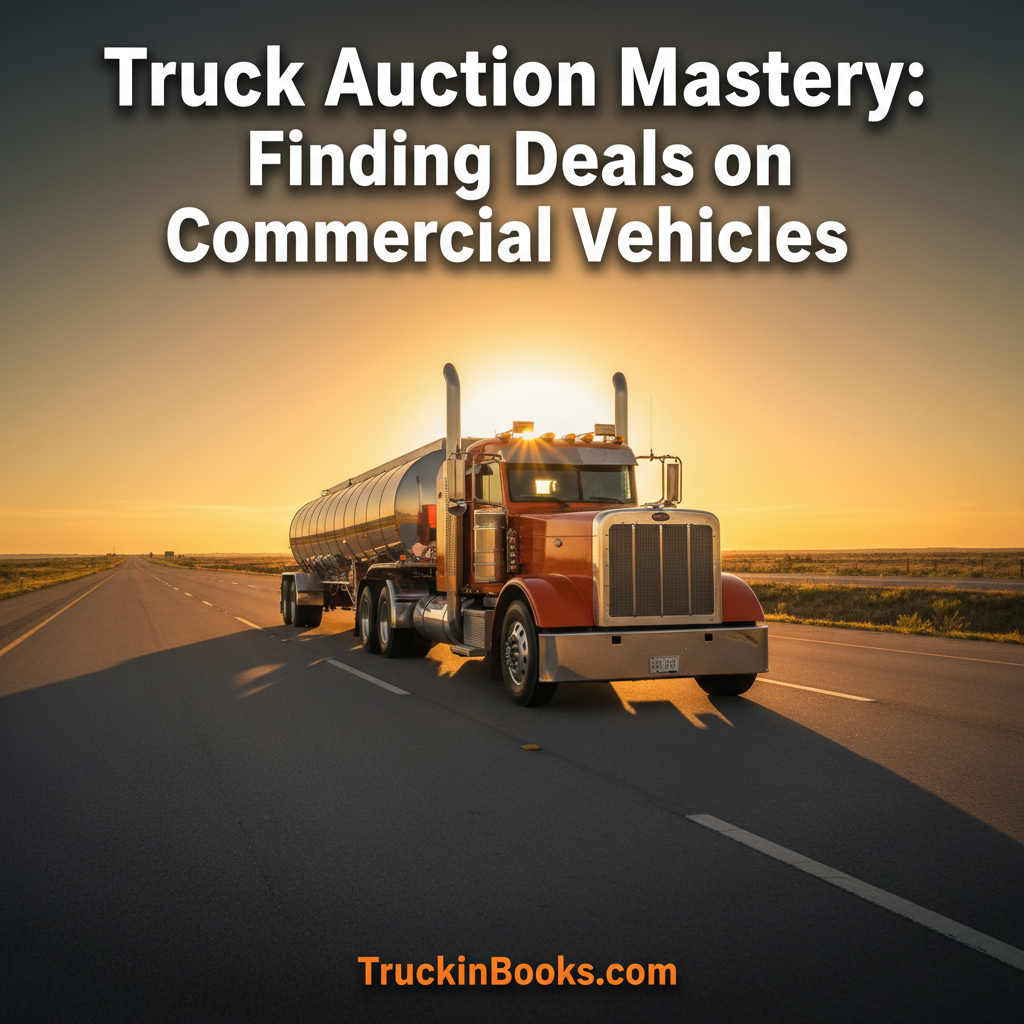
Truck Auction Mastery: Finding Deals on Commercial Vehicles
Audio
DRM
By TruckinBooks
129 pages
0 min
Complete guide to buying trucks at auction, including inspection tips, bidding strategies, and avoiding costly mistakes.
About This Ebook
Truck Auction Mastery: Finding Deals on Commercial Vehicles
Chapter 1: Introduction to Truck Auctions
Truck auctions offer opportunities to purchase commercial vehicles at prices below retail market value. Fleet turnover, business closures, and lease returns create steady supplies of trucks flowing through auction channels. Understanding how auctions work helps you capitalize on these opportunities while avoiding costly mistakes.
Various auction formats exist, from traditional live auctions to online platforms. Each format has advantages and challenges. Some auctions specialize in specific vehicle types or conditions, while others offer diverse inventory.
Successful auction buying requires preparation, discipline, and knowledge. The excitement of bidding can lead to overpaying if you're not careful. This guide provides the foundation for smart auction purchasing.
Chapter 2: Types of Truck Auctions
Public auctions are open to anyone and often feature diverse inventory from multiple sources. These auctions may include everything from nearly new trucks to older units needing significant work.
Dealer-only auctions restrict participation to licensed dealers. Access requires a dealer license, but these auctions often have better selection and more competitive pricing.
Online auctions have grown significantly, offering convenience and access to inventory nationwide. Platforms like Ritchie Bros., Purple Wave, and others conduct regular online truck auctions.
Government surplus auctions sell vehicles from federal, state, and local agencies. These trucks are often well-maintained but may have high mileage or specialized configurations.
Chapter 3: Researching Before the Auction
Successful auction buying starts before you arrive. Review auction catalogs and identify vehicles of interest. Research market values for comparable trucks to establish maximum bid limits.
Understand the auction terms and conditions. Buyer's premiums, typically 5-10% of the hammer price, add to your cost. Payment terms, removal deadlines, and return policies vary by auction.
If possible, inspect vehicles before the auction. Many auctions offer preview periods for physical inspection. For online auctions, request additional photos or information about specific vehicles.
Chapter 4: Inspecting Auction Vehicles
Physical inspection is crucial when possible. Start with a visual overview, looking for obvious damage, rust, or signs of poor maintenance. Check fluid levels and look for leaks.
Examine the engine compartment carefully. Look for oil leaks, coolant issues, and worn belts and hoses. Check the air filter and look for signs of engine problems.
Inspect the frame and undercarriage for rust, cracks, or damage. Frame issues can be expensive or impossible to repair. Use a flashlight to examine hard-to-see areas.
Test electrical systems including lights, gauges, and accessories. Electrical problems can be time-consuming and expensive to diagnose and repair.
Chapter 5: Understanding Auction Conditions
"As-is" sales are standard at most auctions. You're buying the vehicle in its current condition with no warranty or guarantee. What you see is what you get.
Some auctions offer limited guarantees on specific items like title or major mechanical components. Understand exactly what is and isn't covered before bidding.
Disclosure requirements vary. Some auctions require sellers to disclose known defects; others don't. Never assume problems will be disclosed; inspect thoroughly.
Chapter 6: Bidding Strategies
Set your maximum bid before the auction begins and stick to it. Auction excitement can lead to emotional bidding that exceeds rational limits. Discipline is essential.
Understand bidding increments and how the auctioneer manages the pace. Experienced bidders know when to bid aggressively and when to wait.
Watch other bidders to gauge interest levels. If multiple serious bidders compete for a vehicle, prices may exceed value. Consider whether to continue or wait for less competitive opportunities.
Chapter 7: Financing Auction Purchases
Most auctions require immediate payment or payment within a short window. Have financing arranged before the auction if you'll need it.
Some auction companies offer financing programs. Compare terms with other financing options to ensure competitiveness.
Cash purchases simplify the process but require available capital. Consider the opportunity cost of tying up cash in a vehicle purchase.
Chapter 8: After the Auction
Winning a bid creates a binding contract. Complete payment according to auction terms. Failure to pay can result in penalties and loss of bidding privileges.
Arrange transportation for your purchase. Some auctions offer shipping services; others require you to arrange pickup. Factor transportation costs into your total purchase price.
Complete title transfer and registration promptly. Auction companies typically provide necessary documentation, but you're responsible for completing the process.
Chapter 9: Common Auction Mistakes
Overbidding is the most common mistake. Auction competition can push prices above retail value. If you find yourself in a bidding war, step back and reassess.
Insufficient inspection leads to expensive surprises. Never bid on a vehicle you haven't inspected or researched thoroughly.
Ignoring total costs causes budget problems. The hammer price is just the beginning. Add buyer's premium, transportation, repairs, registration, and other costs to determine true purchase price.
Chapter 10: Building Auction Success
Start with smaller purchases to learn the process. Mistakes on a $5,000 truck are less costly than mistakes on a $50,000 truck.
Build relationships with auction staff. Regular buyers often receive advance notice of desirable inventory and better service.
Track your results to improve over time. Record purchase prices, repair costs, and eventual values to understand your actual performance.
Truck auctions offer genuine opportunities for savvy buyers. With proper preparation, disciplined bidding, and thorough inspection, you can acquire quality equipment at attractive prices. Approach auctions as a business activity requiring skill and knowledge, not as gambling, and you'll build success over time.
Chapter 1: Introduction to Truck Auctions
Truck auctions offer opportunities to purchase commercial vehicles at prices below retail market value. Fleet turnover, business closures, and lease returns create steady supplies of trucks flowing through auction channels. Understanding how auctions work helps you capitalize on these opportunities while avoiding costly mistakes.
Various auction formats exist, from traditional live auctions to online platforms. Each format has advantages and challenges. Some auctions specialize in specific vehicle types or conditions, while others offer diverse inventory.
Successful auction buying requires preparation, discipline, and knowledge. The excitement of bidding can lead to overpaying if you're not careful. This guide provides the foundation for smart auction purchasing.
Chapter 2: Types of Truck Auctions
Public auctions are open to anyone and often feature diverse inventory from multiple sources. These auctions may include everything from nearly new trucks to older units needing significant work.
Dealer-only auctions restrict participation to licensed dealers. Access requires a dealer license, but these auctions often have better selection and more competitive pricing.
Online auctions have grown significantly, offering convenience and access to inventory nationwide. Platforms like Ritchie Bros., Purple Wave, and others conduct regular online truck auctions.
Government surplus auctions sell vehicles from federal, state, and local agencies. These trucks are often well-maintained but may have high mileage or specialized configurations.
Chapter 3: Researching Before the Auction
Successful auction buying starts before you arrive. Review auction catalogs and identify vehicles of interest. Research market values for comparable trucks to establish maximum bid limits.
Understand the auction terms and conditions. Buyer's premiums, typically 5-10% of the hammer price, add to your cost. Payment terms, removal deadlines, and return policies vary by auction.
If possible, inspect vehicles before the auction. Many auctions offer preview periods for physical inspection. For online auctions, request additional photos or information about specific vehicles.
Chapter 4: Inspecting Auction Vehicles
Physical inspection is crucial when possible. Start with a visual overview, looking for obvious damage, rust, or signs of poor maintenance. Check fluid levels and look for leaks.
Examine the engine compartment carefully. Look for oil leaks, coolant issues, and worn belts and hoses. Check the air filter and look for signs of engine problems.
Inspect the frame and undercarriage for rust, cracks, or damage. Frame issues can be expensive or impossible to repair. Use a flashlight to examine hard-to-see areas.
Test electrical systems including lights, gauges, and accessories. Electrical problems can be time-consuming and expensive to diagnose and repair.
Chapter 5: Understanding Auction Conditions
"As-is" sales are standard at most auctions. You're buying the vehicle in its current condition with no warranty or guarantee. What you see is what you get.
Some auctions offer limited guarantees on specific items like title or major mechanical components. Understand exactly what is and isn't covered before bidding.
Disclosure requirements vary. Some auctions require sellers to disclose known defects; others don't. Never assume problems will be disclosed; inspect thoroughly.
Chapter 6: Bidding Strategies
Set your maximum bid before the auction begins and stick to it. Auction excitement can lead to emotional bidding that exceeds rational limits. Discipline is essential.
Understand bidding increments and how the auctioneer manages the pace. Experienced bidders know when to bid aggressively and when to wait.
Watch other bidders to gauge interest levels. If multiple serious bidders compete for a vehicle, prices may exceed value. Consider whether to continue or wait for less competitive opportunities.
Chapter 7: Financing Auction Purchases
Most auctions require immediate payment or payment within a short window. Have financing arranged before the auction if you'll need it.
Some auction companies offer financing programs. Compare terms with other financing options to ensure competitiveness.
Cash purchases simplify the process but require available capital. Consider the opportunity cost of tying up cash in a vehicle purchase.
Chapter 8: After the Auction
Winning a bid creates a binding contract. Complete payment according to auction terms. Failure to pay can result in penalties and loss of bidding privileges.
Arrange transportation for your purchase. Some auctions offer shipping services; others require you to arrange pickup. Factor transportation costs into your total purchase price.
Complete title transfer and registration promptly. Auction companies typically provide necessary documentation, but you're responsible for completing the process.
Chapter 9: Common Auction Mistakes
Overbidding is the most common mistake. Auction competition can push prices above retail value. If you find yourself in a bidding war, step back and reassess.
Insufficient inspection leads to expensive surprises. Never bid on a vehicle you haven't inspected or researched thoroughly.
Ignoring total costs causes budget problems. The hammer price is just the beginning. Add buyer's premium, transportation, repairs, registration, and other costs to determine true purchase price.
Chapter 10: Building Auction Success
Start with smaller purchases to learn the process. Mistakes on a $5,000 truck are less costly than mistakes on a $50,000 truck.
Build relationships with auction staff. Regular buyers often receive advance notice of desirable inventory and better service.
Track your results to improve over time. Record purchase prices, repair costs, and eventual values to understand your actual performance.
Truck auctions offer genuine opportunities for savvy buyers. With proper preparation, disciplined bidding, and thorough inspection, you can acquire quality equipment at attractive prices. Approach auctions as a business activity requiring skill and knowledge, not as gambling, and you'll build success over time.
Content Protection
This ebook is protected with DRM technology. View only through our secure web reader. No downloading or copying allowed to protect author rights.
Details
Format
Web Reader
Pages
129
Audio
0 min
Access
Lifetime
Related Ebooks
© 2026 TruckinBooks. All rights reserved.
Get Full Access to This Ebook
Unlock this ebook and 200+ more trucking industry resources with lifetime access. 30-day money-back guarantee.
Get Instant Access - $97