
Protected
Truck Auctions & Equipment Buying
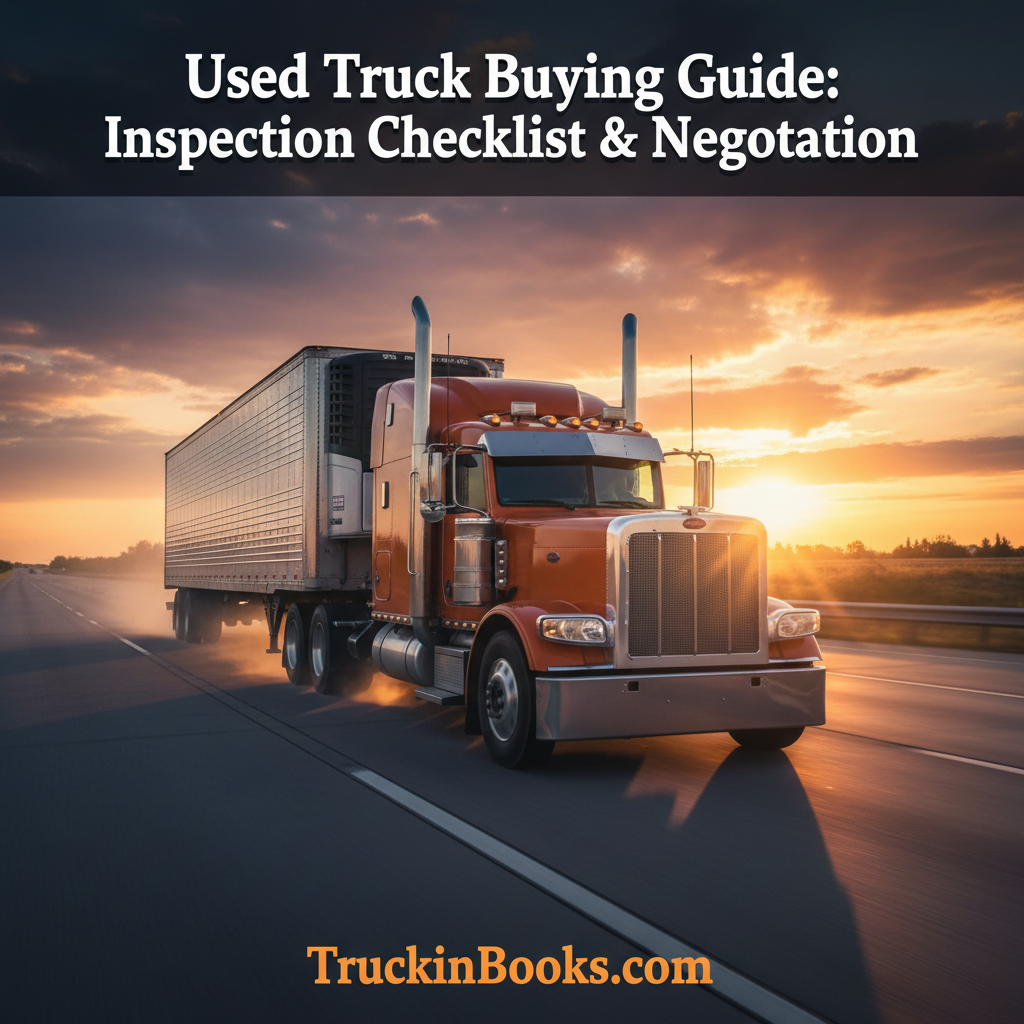
Used Truck Buying Guide: Inspection Checklist & Negotiation
Audio
DRM
By TruckinBooks
128 pages
0 min
Expert guidance on evaluating used commercial trucks, identifying problems, and negotiating the best price.
About This Ebook
Used Truck Buying Guide: Inspection Checklist & Negotiation
Chapter 1: The Used Truck Market
Buying a used truck can save tens of thousands of dollars compared to new vehicle prices. However, used trucks come with risks that new trucks don't. Understanding how to evaluate used trucks protects you from costly mistakes.
The used truck market includes various sources: dealers, private sellers, auctions, and lease returns. Each source has different characteristics regarding price, condition, and buyer protections.
This guide provides comprehensive guidance on evaluating used trucks, identifying problems before purchase, and negotiating fair prices. Whether you're buying your first truck or adding to a fleet, these principles apply.
Chapter 2: Determining Your Needs
Before shopping, clearly define your requirements. What type of hauling will you do? What specifications do you need? What's your budget? Clear requirements focus your search and prevent impulse purchases.
Consider both current and future needs. A truck that barely meets today's requirements may be inadequate as your business grows. Balance current affordability with future flexibility.
Research market prices for trucks meeting your specifications. Understanding fair market value helps you recognize good deals and avoid overpaying.
Chapter 3: Where to Buy Used Trucks
Dealers offer convenience and often some level of warranty or guarantee. Prices are typically higher than private sales, but the buying process is more structured.
Private sellers may offer lower prices but provide no warranties. You're buying as-is, making thorough inspection even more critical.
Auctions can offer excellent values but require quick decisions and typically sell as-is. Auction buying requires experience and discipline.
Lease returns from major fleets are often well-maintained and available through dealers or auctions. These trucks typically have high miles but documented maintenance histories.
Chapter 4: Document Review
Before physical inspection, review available documentation. Maintenance records reveal how well the truck has been cared for. Gaps in records raise questions.
Title history shows ownership chain and may reveal problems like salvage titles or liens. Never purchase a truck with title issues.
Accident history, available through services like Carfax for commercial vehicles, reveals past damage that may affect current condition or value.
Chapter 5: Exterior Inspection
Walk around the truck looking for damage, rust, and signs of repairs. Mismatched paint, uneven panel gaps, and overspray indicate body work that may hide accident damage.
Check the frame carefully. Cracks, rust-through, or signs of welding indicate serious problems. Frame damage can be dangerous and expensive to repair.
Examine tires for wear patterns that indicate alignment or suspension problems. Uneven wear suggests issues beyond just needing new tires.
Inspect the fifth wheel or other coupling equipment. Wear, damage, or improper adjustment affects safety and functionality.
Chapter 6: Engine and Drivetrain Inspection
Check all fluid levels and conditions. Dark or contaminated fluids suggest poor maintenance. Low levels may indicate leaks or consumption problems.
Look for leaks throughout the engine compartment. Oil, coolant, and fuel leaks indicate problems requiring attention.
Examine belts and hoses for wear, cracks, or damage. These components are relatively inexpensive but their failure can cause major problems.
Check the air filter and intake system. Restricted airflow affects performance and fuel economy.
Chapter 7: Cab and Interior Inspection
Inspect the cab for damage, wear, and functionality. Seats, controls, and gauges should all work properly. Excessive wear suggests high usage.
Test all electrical systems including lights, gauges, HVAC, and accessories. Electrical problems can be difficult and expensive to diagnose.
Check for water leaks by looking for stains, mold, or musty odors. Water intrusion causes ongoing problems and indicates seal failures.
Examine the sleeper if equipped. Condition affects both functionality and resale value.
Chapter 8: Road Test Evaluation
A road test reveals problems that static inspection misses. Listen for unusual noises from the engine, transmission, and drivetrain.
Evaluate shifting quality. Hard shifts, slipping, or grinding indicate transmission problems. Automatic transmissions should shift smoothly; manual transmissions should engage cleanly.
Test braking performance. The truck should stop straight without pulling or vibration. Air brake systems should build pressure quickly and hold.
Assess steering response and stability. Wandering, pulling, or excessive play indicate problems requiring attention.
Chapter 9: Professional Inspection
Consider hiring a professional inspector for significant purchases. Experienced diesel mechanics can identify problems you might miss.
Compression testing, oil analysis, and other diagnostic procedures provide objective data about engine condition. These tests are particularly valuable for high-mileage trucks.
The cost of professional inspection is minimal compared to the cost of buying a truck with hidden problems. Consider it insurance on your purchase.
Chapter 10: Negotiation Strategies
Armed with inspection findings, negotiate from a position of knowledge. Identified problems justify price reductions or repair requirements.
Research comparable sales to support your price position. Objective market data is more persuasive than arbitrary offers.
Be prepared to walk away. The best negotiating leverage is genuine willingness to not buy. If the price doesn't work, find another truck.
Consider the total transaction, not just price. Warranty coverage, included repairs, or financing terms may have value beyond the purchase price.
Buying a used truck successfully requires knowledge, patience, and discipline. Thorough inspection and informed negotiation protect your investment and set the foundation for profitable operations.
Chapter 1: The Used Truck Market
Buying a used truck can save tens of thousands of dollars compared to new vehicle prices. However, used trucks come with risks that new trucks don't. Understanding how to evaluate used trucks protects you from costly mistakes.
The used truck market includes various sources: dealers, private sellers, auctions, and lease returns. Each source has different characteristics regarding price, condition, and buyer protections.
This guide provides comprehensive guidance on evaluating used trucks, identifying problems before purchase, and negotiating fair prices. Whether you're buying your first truck or adding to a fleet, these principles apply.
Chapter 2: Determining Your Needs
Before shopping, clearly define your requirements. What type of hauling will you do? What specifications do you need? What's your budget? Clear requirements focus your search and prevent impulse purchases.
Consider both current and future needs. A truck that barely meets today's requirements may be inadequate as your business grows. Balance current affordability with future flexibility.
Research market prices for trucks meeting your specifications. Understanding fair market value helps you recognize good deals and avoid overpaying.
Chapter 3: Where to Buy Used Trucks
Dealers offer convenience and often some level of warranty or guarantee. Prices are typically higher than private sales, but the buying process is more structured.
Private sellers may offer lower prices but provide no warranties. You're buying as-is, making thorough inspection even more critical.
Auctions can offer excellent values but require quick decisions and typically sell as-is. Auction buying requires experience and discipline.
Lease returns from major fleets are often well-maintained and available through dealers or auctions. These trucks typically have high miles but documented maintenance histories.
Chapter 4: Document Review
Before physical inspection, review available documentation. Maintenance records reveal how well the truck has been cared for. Gaps in records raise questions.
Title history shows ownership chain and may reveal problems like salvage titles or liens. Never purchase a truck with title issues.
Accident history, available through services like Carfax for commercial vehicles, reveals past damage that may affect current condition or value.
Chapter 5: Exterior Inspection
Walk around the truck looking for damage, rust, and signs of repairs. Mismatched paint, uneven panel gaps, and overspray indicate body work that may hide accident damage.
Check the frame carefully. Cracks, rust-through, or signs of welding indicate serious problems. Frame damage can be dangerous and expensive to repair.
Examine tires for wear patterns that indicate alignment or suspension problems. Uneven wear suggests issues beyond just needing new tires.
Inspect the fifth wheel or other coupling equipment. Wear, damage, or improper adjustment affects safety and functionality.
Chapter 6: Engine and Drivetrain Inspection
Check all fluid levels and conditions. Dark or contaminated fluids suggest poor maintenance. Low levels may indicate leaks or consumption problems.
Look for leaks throughout the engine compartment. Oil, coolant, and fuel leaks indicate problems requiring attention.
Examine belts and hoses for wear, cracks, or damage. These components are relatively inexpensive but their failure can cause major problems.
Check the air filter and intake system. Restricted airflow affects performance and fuel economy.
Chapter 7: Cab and Interior Inspection
Inspect the cab for damage, wear, and functionality. Seats, controls, and gauges should all work properly. Excessive wear suggests high usage.
Test all electrical systems including lights, gauges, HVAC, and accessories. Electrical problems can be difficult and expensive to diagnose.
Check for water leaks by looking for stains, mold, or musty odors. Water intrusion causes ongoing problems and indicates seal failures.
Examine the sleeper if equipped. Condition affects both functionality and resale value.
Chapter 8: Road Test Evaluation
A road test reveals problems that static inspection misses. Listen for unusual noises from the engine, transmission, and drivetrain.
Evaluate shifting quality. Hard shifts, slipping, or grinding indicate transmission problems. Automatic transmissions should shift smoothly; manual transmissions should engage cleanly.
Test braking performance. The truck should stop straight without pulling or vibration. Air brake systems should build pressure quickly and hold.
Assess steering response and stability. Wandering, pulling, or excessive play indicate problems requiring attention.
Chapter 9: Professional Inspection
Consider hiring a professional inspector for significant purchases. Experienced diesel mechanics can identify problems you might miss.
Compression testing, oil analysis, and other diagnostic procedures provide objective data about engine condition. These tests are particularly valuable for high-mileage trucks.
The cost of professional inspection is minimal compared to the cost of buying a truck with hidden problems. Consider it insurance on your purchase.
Chapter 10: Negotiation Strategies
Armed with inspection findings, negotiate from a position of knowledge. Identified problems justify price reductions or repair requirements.
Research comparable sales to support your price position. Objective market data is more persuasive than arbitrary offers.
Be prepared to walk away. The best negotiating leverage is genuine willingness to not buy. If the price doesn't work, find another truck.
Consider the total transaction, not just price. Warranty coverage, included repairs, or financing terms may have value beyond the purchase price.
Buying a used truck successfully requires knowledge, patience, and discipline. Thorough inspection and informed negotiation protect your investment and set the foundation for profitable operations.
Content Protection
This ebook is protected with DRM technology. View only through our secure web reader. No downloading or copying allowed to protect author rights.
Details
Format
Web Reader
Pages
128
Audio
0 min
Access
Lifetime
Related Ebooks

© 2026 TruckinBooks. All rights reserved.
Get Full Access to This Ebook
Unlock this ebook and 200+ more trucking industry resources with lifetime access. 30-day money-back guarantee.
Get Instant Access - $97